Anxiety
Anxiety is one of the most common mental health conditions, and it's also one of the most treatable. Understanding it is the first step.
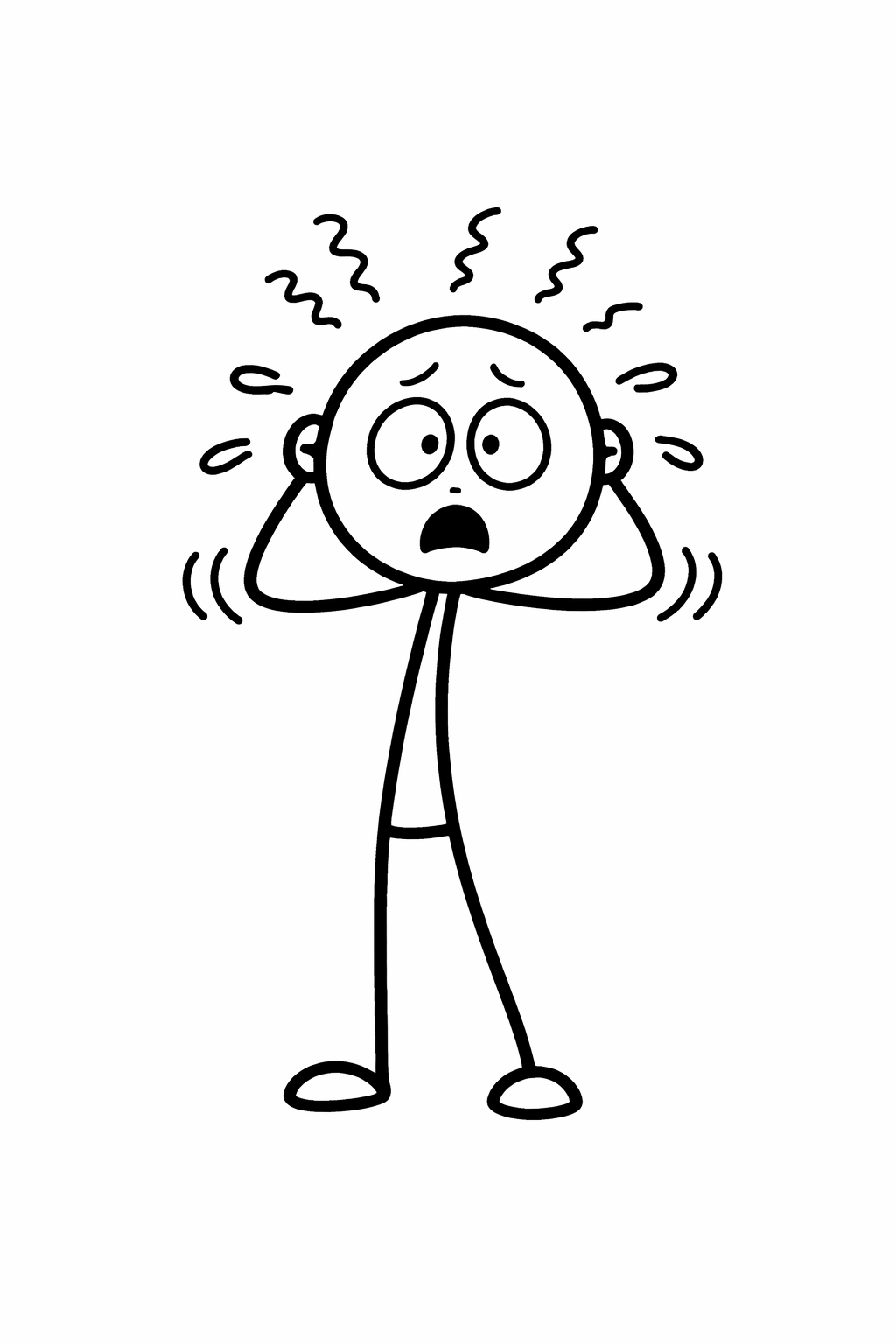
Why does anxiety occur?
As humans, we are wired for fight-or-flight response to danger in our environments. Fear is a response to immediate threats or perceived threats around us, while anxiety results from the anticipation of future threats.
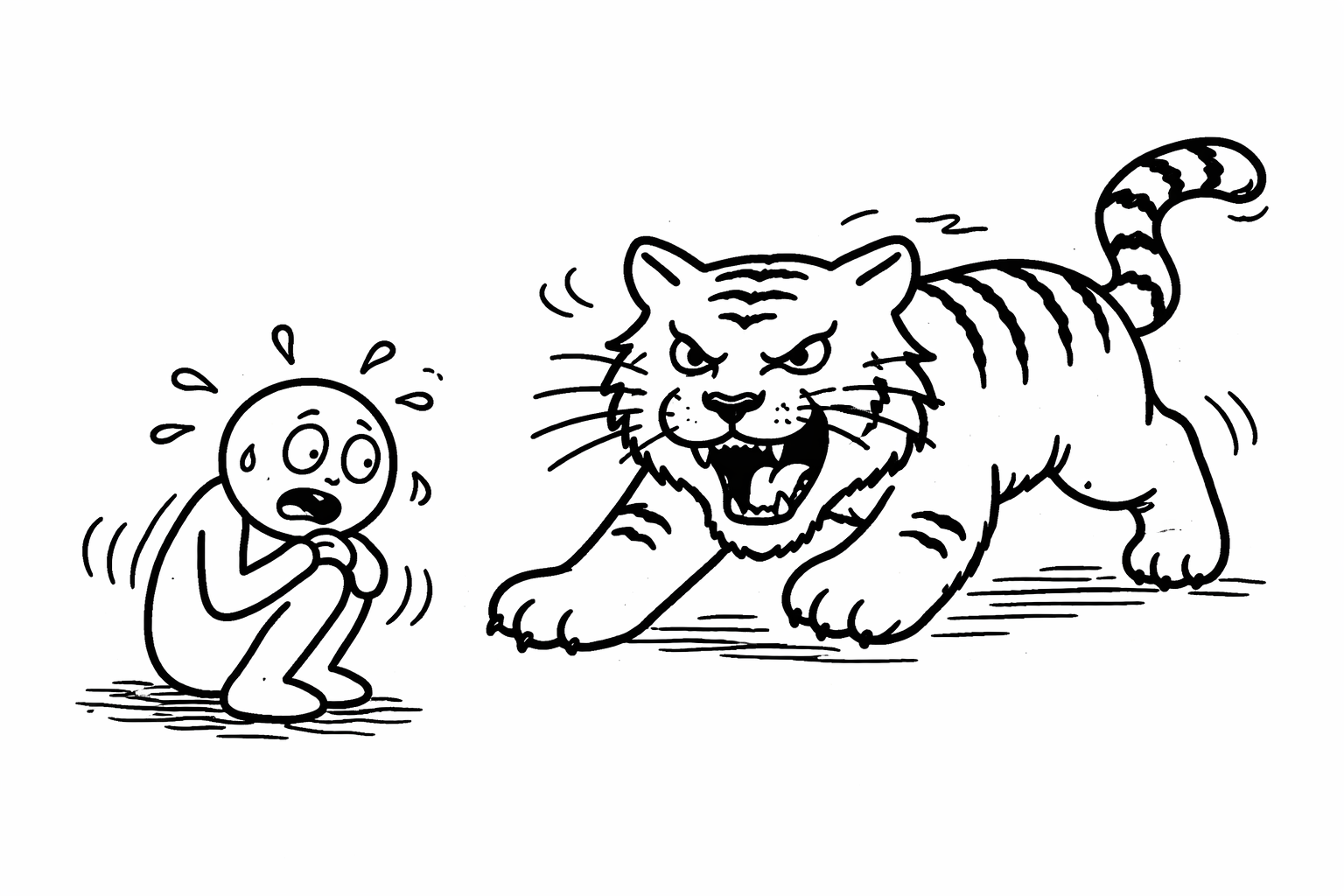
Fear
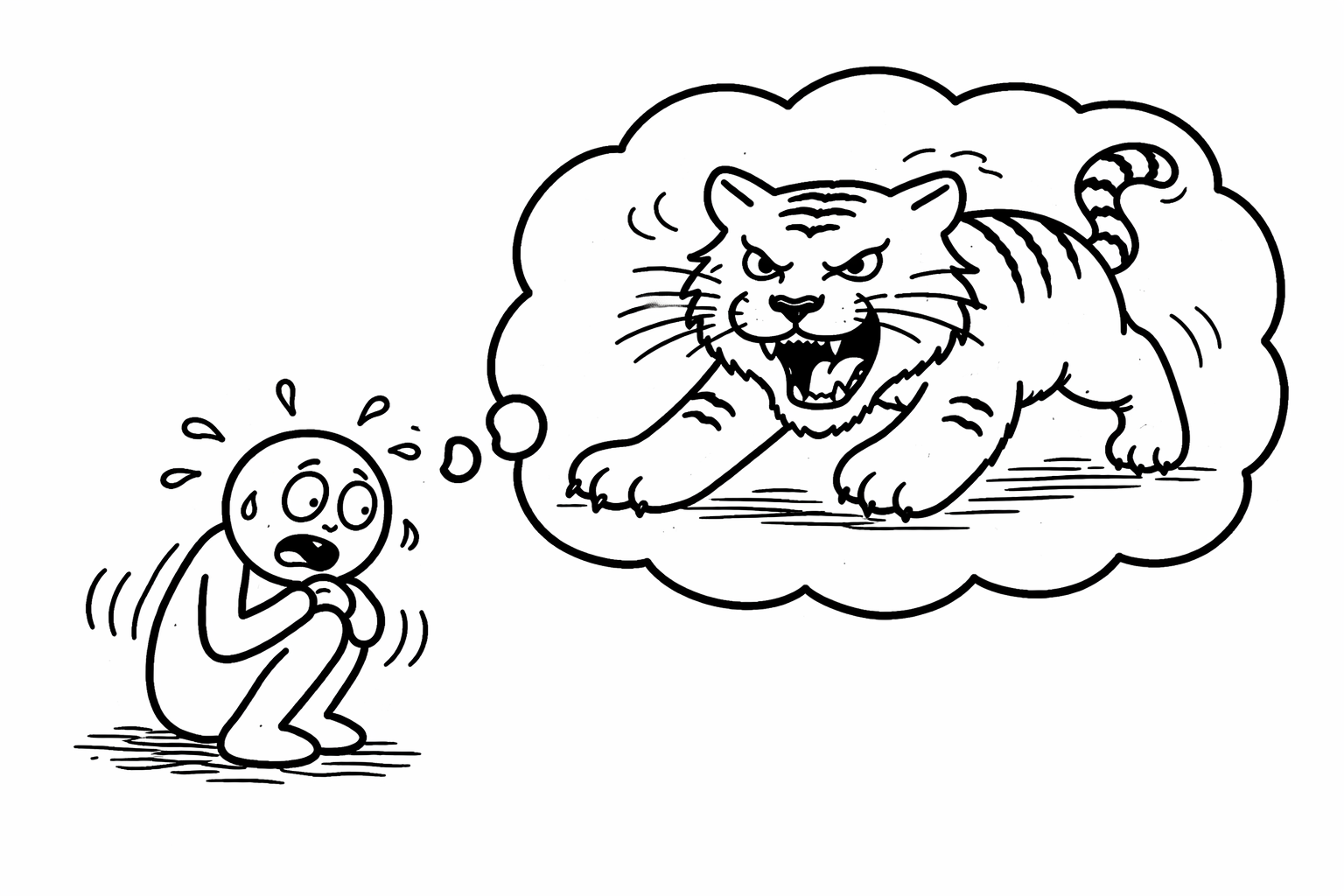
Anxiety
Common types
Generalized Anxiety Disorder (GAD)
Persistent, excessive worry about everyday things — work, health, family, money — even when there's little or no reason for concern. The worry feels difficult to control and often comes with physical symptoms.
Read more →Social Anxiety Disorder
Intense fear of social situations where you might be judged, embarrassed, or scrutinized by others. It can make everyday interactions — from speaking up in meetings to eating in public — feel overwhelming.
Panic Disorder
Recurrent, unexpected panic attacks — sudden surges of intense fear that peak within minutes. Symptoms can include heart pounding, shortness of breath, dizziness, and a feeling of losing control.
Specific Phobias
An intense, irrational fear of a specific object or situation — such as heights, flying, or certain animals — that leads to avoidance and distress beyond what the actual danger warrants.
Signs and symptoms
Anxiety can show up differently for everyone. Common signs include:
- Persistent worry or a sense of dread that's hard to shake
- Restlessness, feeling on edge, or difficulty sitting still
- Trouble concentrating or mind going blank
- Irritability
- Sleep problems — trouble falling asleep, staying asleep, or restless sleep
- Physical symptoms like rapid heartbeat, sweating, trembling, or stomach issues
- Avoiding situations that trigger anxiety
What helps
Anxiety disorders respond well to treatment, and most people see significant improvement. Common approaches include:
- Cognitive Behavioral Therapy (CBT) — helps identify and change unhelpful thought patterns and behaviors
- Medication — SSRIs, SNRIs, and other options can help manage symptoms
- Lifestyle changes — regular exercise, good sleep, reduced caffeine, and stress management techniques
- Mindfulness and relaxation — breathing exercises, meditation, and progressive muscle relaxation
- Support networks — talking to trusted people and connecting with peer support groups
The most effective approach is often a combination tailored to the individual. A mental health professional can help you find what works best.
When to seek help
Consider reaching out to a professional if anxiety is interfering with your daily life — whether that's affecting your work, relationships, sleep, or overall well-being. You don't need to wait until things feel unbearable. Early support often leads to faster improvement.